

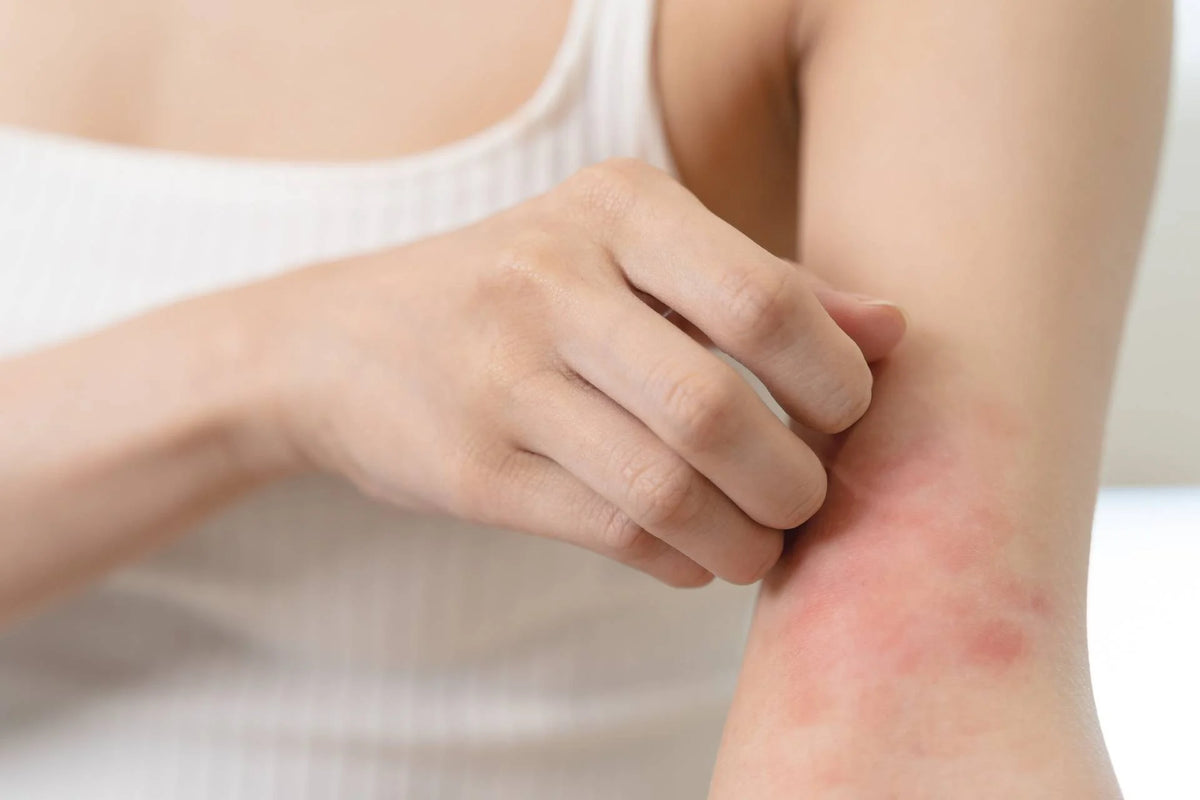
- Atopic dermatitis is an alteration of the skin barrier that causes dryness, irritation, and persistent itching.
- Flare-ups can be triggered by weather, sweating, irritants, stress, or sudden changes in temperature.
- Daily hydration, gentle products, and consistent habits help keep the skin more stable.
The essentials of atopic dermatitis
Atopic dermatitis is characterized by intense dryness (xerosis), persistent itching, and recurring inflammation caused by a weakened epidermal barrier. Although it has no definitive cure, it can be kept under control through daily hydration, a gentle care routine, and dermatological monitoring when necessary. According to the Mayo Clinic, consistency in habits is key to reducing flare-ups and keeping the skin in balance. This recommendation aligns with international clinical guidelines that highlight the importance of daily hydration and strengthening the skin barrier.What exactly is atopic dermatitis?
Atopic dermatitis is an alteration of the epidermal barrier that facilitates transepidermal water loss (TEWL) and makes the skin more permeable to irritants, allergens, and microorganisms. This weakening contributes to intense dryness (xerosis), persistent itching, and recurring inflammation. Its appearance is related to genetic factors—such as a family history of allergies, asthma, or rhinitis—and environmental elements, such as weather, stress, or exposure to irritants. The European Food Safety Authority (EFSA) notes that the increase in environmental irritants could be influencing the greater skin sensitivity observed in recent years.Main causes of atopic skin
Atopic skin appears due to a combination of genetic factors, immune system alterations, and environmental elements that affect the skin barrier. When this barrier weakens, transepidermal water loss (TEWL) increases, and the skin becomes more sensitive to irritants and microorganisms.Climate, stress, certain hygiene products, and changes in the skin microbiota also play a role. Identifying personal triggers helps adapt daily care and reduce the frequency of flare-ups.
Alteration of the skin barrier
The outermost layer of the skin, known as the stratum corneum, acts as a barrier that limits transepidermal water loss (TEWL) and protects against external irritants. When this barrier weakens, the skin loses hydration more easily, intense dryness (xerosis) appears, and the tendency for irritation and itching increases. Understanding how the barrier function works helps identify its deterioration better. Using products formulated with ceramides and natural lipids can help strengthen this protective function and keep the skin more balanced on a daily basis.Skin microbiota and environment
The skin houses a microbiota made up of beneficial microorganisms that contribute to maintaining its natural balance. Factors such as the frequent use of harsh soaps, changes in pH, or exposure to pollution can alter this microbial diversity and promote imbalance. Various studies have analyzed how changes in the skin microbiota influence skin reactivity. When this occurs, bacteria such as Staphylococcus aureus can proliferate more easily and contribute to increased irritation and skin sensitivity. The National Institutes of Health (NIH) highlights the role of the microbiota in maintaining the barrier function and the skin's immune response. This balance is also key in other mucous membranes of the body, as shown by the vaginal microbiota.Genetic and immune predisposition
People with a family history of atopic dermatitis, allergies, asthma, or rhinitis have a higher probability of developing this condition. In some cases, there may be genetic variations related to filaggrin (FLG gene), a key protein for keeping the epidermal barrier in good condition. When this barrier is more fragile due to genetic predisposition, the skin loses more water, becomes irritated more easily, and responds more intensely to everyday stimuli. Additionally, the immune system tends to overreact to elements that would not normally cause problems, which contributes to recurring inflammation.Emotional factors and stress
Stress, lack of rest, and intense emotions can increase skin sensitivity and promote itching, which hinders nightly rest. When sleep is disrupted, the skin becomes irritated more easily, and the itch-scratch cycle can be activated, which worsens inflammation and discomfort. Incorporating regular rest routines and simple relaxation techniques—such as deep breathing, gentle stretching, or meditation—can help improve overall well-being and reduce skin reactivity in daily life. The impact of stress on the skin has also been pointed out by mental health reference organizations.Factors that can cause atopic dermatitis flare-ups
Atopic dermatitis flare-ups can be triggered by various external and internal stimuli. Factors such as weather, sweating, certain hygiene products, rough fabrics, or stressful situations can increase irritation and itching. Identifying them helps to anticipate, adapt the daily routine, and reduce the frequency and intensity of flare-ups.Weather and temperature
The climate directly influences the skin barrier. During winter, cold, dry air promotes the loss of hydration and can increase dryness and itching. In summer, heat and sweating can irritate the skin and make it more reactive, especially if there are sudden changes in temperature between the outdoors and indoors. Adapting hydration according to the season and avoiding very hot showers helps keep the skin more balanced throughout the year. These types of variations also influence other skin processes, as explained in how the sun affects the skin.Hygiene and cleaning products
Some soaps, detergents, and cosmetics may contain harsh surfactants, alcohol, or fragrances that alter the natural pH and weaken the skin barrier. Dermatologists usually recommend mild, soap-free (syndet) cleansers that are fragrance-free and pH-neutral to minimize irritation. The AEDV also suggests reducing bathing frequency and drying the skin by patting it gently, without rubbing, to avoid increased dryness. It may also be useful to know how vegetable oils contribute to nourishing and hydrating the skin.Irritating clothing and fabrics
Very tight garments or those made with wool can create friction and increase itching in atopic skin. Also, some synthetic fabrics, such as polyester or nylon, can trap heat and moisture, which increases irritation. Natural fabrics—such as cotton or linen—are softer, breathable, and usually more comfortable for daily use. To minimize discomfort, it is recommended to use neutral detergents and avoid scented fabric softeners, as well as remove interior labels that can rub against the skin. These annoyances usually intensify during cold seasons, as occurs with dermatitis in winter.Stress and lack of sleep
Stress and lack of sleep can increase skin sensitivity and promote itching, especially at night. When rest is disrupted, irritation is more likely to appear and the itch-scratch cycle is activated, which worsens discomfort and hinders skin recovery. Maintaining regular sleep routines, engaging in relaxing activities at the end of the day, and practicing moderate exercise can contribute to overall well-being and help the skin remain more stable against flare-ups.Hard water and its impact on the skin
Hard water, rich in minerals like calcium and magnesium, can increase skin dryness after a bath or shower. In people with atopic dermatitis, this type of water can promote irritation, especially if combined with soaps or very high temperatures. Drying the skin gently and hydrating it immediately helps minimize the effects of hard water on the skin barrier.Sweating and sudden temperature changes
Sweating can irritate atopic skin, especially in areas where sweat accumulates and mixes with the salt of perspiration. Sports, heat, or stressful situations can increase itching and discomfort. Additionally, sudden temperature changes—such as moving from a hot outside environment to an air-conditioned one—can further sensitize the skin. Drying gently after sweating and keeping the skin hydrated helps reduce this reactivity. Sweat also causes discomfort in other sensitive mucous membranes, such as with vaginal dryness in menopause.Most common symptoms of atopic dermatitis
Atopic dermatitis can manifest with different symptoms, which vary according to the person, age, and affected area. Many of these manifestations are related to the causes of skin dryness. Among the most frequent are:- Intense dryness (xerosis), with rough or cracked skin.
- Persistent itching (pruritus), especially at night.
- Redness and inflammation in the affected areas.
- Scaling or the appearance of small plaques.
- Eczematous lesions in active flare-ups.
- Thickening of the skin (lichenification) due to continuous scratching.
- Crusts or oozing in more intense flare-ups.
- Changes in pigmentation after inflammation, with lighter or darker areas.
Atopic dermatitis according to age or body area
Atopic dermatitis can manifest in different areas of the body depending on age and the moment of the flare-up. The typical distribution changes as the skin matures and according to daily habits.Atopic dermatitis in babies and children (0–12 years)
In babies, it usually appears between two and six months of age, especially on the cheeks, forehead, scalp, and the outer part of the arms and legs. As children grow, the lesions tend to concentrate in flexural folds—such as the inside of the elbows, behind the knees, or on the neck—areas where friction and sweating can cause more irritation. In childhood, nightly itching flare-ups are frequent and can affect rest, so constant hydration and gentle hygiene routines are especially important.Atopic dermatitis in adolescents and adults
In adolescence and adulthood, atopic dermatitis is usually localized in areas such as the neck, eyelids, hands, forearms, or the back of the knees. In many cases, contact with detergents, stress, or lack of rest can intensify flare-ups. Hands and eyelids are especially sensitive areas due to constant exposure and contact with irritants. Keeping the skin hydrated and avoiding harsh products helps reduce daily reactivity.Frequent complications in atopic dermatitis
Atopic dermatitis can be accompanied by additional discomfort when the skin is irritated repeatedly or when flare-ups are intense. Some complications are common and are usually related to continuous scratching, extreme dryness, or alteration of the skin barrier.Skin infections and superinfection
When the skin barrier is weakened and the skin has fissures or scratching lesions, superinfections can appear. Bacteria such as Staphylococcus aureus proliferate more easily in irritated areas and can contribute to increased redness, sensitivity, or the formation of crusts. It is important to watch for signs such as increased inflammation, oozing, or pain, and to consult a healthcare professional in case of doubt.Lesions from scratching (lichenification)
Repeated scratching can cause thickening and hardening of the skin, known as lichenification. This reaction makes the affected area appear rougher and darker, and can keep the itch-scratch cycle active, hindering recovery. These signs are usually more evident in cases of very dry skin.Sleep disturbances and quality of life
During flare-ups, itching usually intensifies at night, which can hinder rest. Lack of sleep can increase skin sensitivity and promote new irritations, creating a cycle that is difficult to manage on a daily basis. Sleeping well, maintaining regular routines, and reducing irritants helps improve comfort and overall well-being.How to care for atopic skin at home
Daily care is essential to keep atopic skin more stable and reduce the frequency and intensity of flare-ups. Rather than the quantity of products, what makes the difference is consistency and the choice of gentle routines that help strengthen the skin barrier. Keeping the skin well-hydrated and protecting it from everyday irritants is key to improving comfort day by day.Basic daily routine
A simple and consistent routine can help keep the skin more balanced:- Gentle cleansing: use soap-free and fragrance-free products, avoiding scrubs and very abundant foams.
- Brief, warm shower: avoid very hot water and limit the time under the water.
- Delicate drying: use the towel with gentle pats, without rubbing.
- Immediate hydration: apply an emollient within the first 3 minutes after the shower.
- Appropriate clothing: opt for natural, breathable fabrics.
- Comfortable environment: maintain adequate humidity to avoid environmental dryness.
- Itch relief: use cold compresses to soothe the skin.
- Overall well-being: drink enough water and maintain a balanced diet.
Morning routine: hydration and protection
The morning is the ideal time to prepare the skin against external factors such as weather, friction, or pollution:- Gentle cleansing to remove overnight sweat.
- Nourishing emollient applied while the skin is slightly damp.
- Reinforcement in exposed areas (face, hands, neck) with denser textures.
- Comfortable and breathable clothing to avoid irritation during the day.
Night routine: gentle cleansing and repair
At night, the skin performs natural recovery processes:- Cleansing with warm water and fragrance-free products.
- Drying by pressure, avoiding rubbing.
- Rich or creamy hydration to keep the skin comfortable.
- Balanced environment with adequate humidity in the room.
What to do during a flare-up
When the skin is particularly reactive, it is useful to adapt the routine:- Limit long or hot showers.
- Hydrate several times a day with gentle textures.
- Avoid tight or rough clothing.
- Use cold compresses to soothe itching.
- Minimize activity that increases sweating if it irritates the skin.
- Avoid direct scratching to prevent worsening lesions.
Habits that help strengthen the skin barrier
Certain habits contribute to skin balance on a day-to-day basis:- Constant hydration twice a day.
- Choosing products without alcohol or fragrance.
- Using neutral detergents.
- Maintaining a balanced and varied diet.
- Reducing stress and improving sleep routines.
- Avoiding sudden changes in temperature.
Frequent mistakes if you have atopic dermatitis
Some daily gestures can increase skin sensitivity or trigger flare-ups without us realizing it. Avoiding them helps keep the skin more stable and reduces daily discomfort.- Using harsh or fragranced soapsCleansers with perfume, alcohol, or strong surfactants can alter the skin barrier and increase dryness.
- Showering with very hot waterExcessive heat removes natural lipids and leaves the skin more dehydrated and reactive.
- Rubbing the skin with a towelRepeated rubbing can irritate the skin's surface. It is preferable to dry by patting gently.
- Applying little moisturizer or doing it too lateMoisturizing the skin immediately after showering helps retain moisture better.
- Wearing wool clothing or rough fabricsFabrics that create friction or trap heat can aggravate itching.
- Continuous scratchingScratching can cause small wounds or trigger secondary infections. It is better to soothe with local cold or emollients.
- Not controlling ambient humidityVery dry environments dry out the skin. Maintaining balanced humidity helps improve comfort.
- Ignoring the ingredients in detergents and cosmeticsSome softeners, perfumes, or preservatives can irritate sensitive skin.
- Over-cleansing the skin or exfoliating excessivelyExcessive cleaning removes natural oils and can increase reactivity.
- Not adapting your routine during flare-upsWhen the skin is more reactive, it needs even gentler and more frequent care.
Nutritional support and the role of essential lipids in the skin
Nutrition is part of the global approach to skincare. Essential fatty acids—such as omega 3, 6, 7, and 9—participate in physiological processes related to the structure of the skin barrier and the feeling of hydration. This is part of the benefits of essential fatty acids for the skin.Essential fatty acids and the skin barrier
Omega 3 and 6 are part of the structural lipids of the skin surface. Maintaining an adequate intake within a balanced diet can help the skin feel more comfortable. Omega 7, present in plants like sea buckthorn, is a lipid that is part of various cell membranes and appears naturally in the skin's lipid profile. The omega-7 from sea buckthorn stands out especially for its role in internal hydration.Foods that provide healthy lipids
Some foods that contain these fatty acids are:- Oily fish (salmon, sardine, mackerel)
- Nuts
- Extra virgin olive oil
- Seeds (chia, flax)
- Avocado
Nutrition as part of the global approach
Nutritional support does not replace topical routines or professional assessment, but it is integrated into a holistic approach to care that combines:- a balanced diet,
- daily hydration,
- adequate rest,
- and healthy habits.
Dermatological treatments under medical supervision
In some moderate cases or when flare-ups are frequent, the dermatologist may evaluate different options to help reduce inflammation and improve skin comfort. Guidelines for the use of corticosteroids and other topical treatments usually follow the recommendations of international reference organizations. Among the treatments commonly used under medical supervision are:- Topical corticosteroids, used in a scheduled manner over specific periods.
- Calcineurin inhibitors (such as tacrolimus or pimecrolimus), especially in sensitive areas such as eyelids or folds.
- Antihistamines, which can help relieve itching in specific situations.
- Antibiotics, when there is a secondary skin infection.
- Phototherapy with controlled ultraviolet light, indicated in some persistent cases.
When to see a dermatologist
It is advisable to seek a professional assessment when signs appear that may indicate the skin needs more specific attention. Some of these are:- Very frequent or intense flare-ups, which affect several areas of the body.
- Persistent itching, especially if it interferes with sleep or daily activities.
- Crusts, pus, or fever, which may suggest a possible secondary infection.
- Painful lesions or deep cracks that cause a lot of discomfort.
- Lack of improvement after following usual care routines.


