Atopic dermatitis and stress are two interconnected conditions that affect a significant number of people worldwide. While atopic dermatitis involves chronic skin inflammation that leads to itching and redness, stress can play a fundamental role in its exacerbation and persistence. The complex relationship between these two factors has sparked growing interest in the medical and scientific community, which seeks to understand how stress can trigger and worsen the symptoms of atopic dermatitis, as well as the therapeutic strategies that can address this interaction. In this article, we will thoroughly explore the connection between atopic dermatitis and stress, in addition to proposing some treatments that we believe can be effective for people experiencing this condition.
What is stress-induced dermatitis?
Stress-induced dermatitis is a skin condition that can be triggered or worsened by emotional or psychological stress. It often manifests as a rash that can be red, itchy, scaly, or even blistered. This condition is considered an inflammatory skin disease and can affect people of all ages.
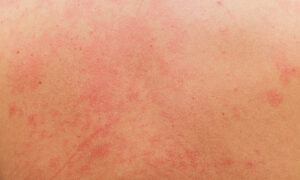
Chronic stress can trigger a series of physiological responses in the body, including the release of hormones such as cortisol, which can have an impact on the immune system and skin health. Although stress-induced dermatitis can manifest in different ways in different people, it is important to address both the underlying cause of the stress and the treatment of the skin symptoms to achieve complete relief.
Symptoms of stress-induced dermatitis
The symptoms of stress-induced dermatitis can vary from person to person, but commonly include:
- Skin redness.
- Intense itching.
- Skin rashes that may be scaly or blistered.
- Dry and cracked skin.
- Excessive skin sensitivity.
- Irritation and a burning sensation on the affected skin.
- Inflamed skin that is sensitive to the touch.
These symptoms usually appear in specific areas of the body, such as the face, scalp, hands, and feet, although they can spread to other parts of the body depending on the severity of the condition. In addition, prolonged stress can worsen these symptoms and cause recurrent breakouts of stress-induced dermatitis. If you experience any of these symptoms, it is important to seek guidance from a dermatologist for an accurate diagnosis and an appropriate treatment plan.
Treatments for eczema and stress-induced atopic dermatitis
Stress management through relaxation techniques, exercise, lifestyle changes, and, in some cases, psychological therapy, can be beneficial in reducing the severity and frequency of stress-induced dermatitis breakouts. In addition, topical treatment with creams or those prescribed by a doctor specializing in dermatology can also help control skin symptoms. Beyond all this, here are some recommendations for you to avoid when you have an eczema or atopic dermatitis reaction:
- When bathing or showering, try to ensure the water is not too hot, as it could further irritate your skin.
- Do not bathe more than once a day and use a mild, fragrance-free gel.
- Apply a fragrance-free, toxin-free moisturizer immediately after showering.
- Avoid very high or humid temperatures.
- Wear 100% cotton clothing and wash it with eco-friendly detergents, without using fabric softeners.
- Follow a balanced diet that contains nutritious foods.
- Engage in sports, which will help reduce stress.
- Hydration is key, as dry skin can be a trigger for atopic dermatitis or eczema.
How to prevent stress-induced dermatitis
Stress-induced dermatitis is a skin condition that can be triggered or worsened by stressors. Here are some tips to prevent stress-induced dermatitis:
-
Stress management: Learn stress management techniques such as meditation, yoga, deep breathing, and regular exercise. These practices can help reduce anxiety and stress, which in turn can decrease dermatitis breakouts.
-
Skin care: Keep your skin well-hydrated and use gentle, fragrance-free products that are suitable for your skin type. Avoid products containing irritating ingredients that could worsen dermatitis.
-
Healthy diet: Maintain a balanced and healthy diet that includes fruits, vegetables, whole grains, and lean proteins. Avoid foods that may trigger allergic reactions or worsen dermatitis.
-
Avoid triggers: Identify and avoid known triggers that can worsen your dermatitis, such as certain foods, detergents, chemicals, and allergens.
-
Adequate rest: Make sure to get enough sleep every night and maintain a regular sleep schedule. Adequate sleep can help reduce stress levels and improve skin health.
-
Regular exercise: Exercise regularly, as it can help reduce stress levels and improve overall health, including skin health.
-
Emotional support: Talk to friends, family, or a mental health professional if you feel that stress is affecting your emotional well-being. Emotional support can help reduce the burden and impact of stress on your life.
Vitae's Proposal
At Vitae, we care about your health, which is why we have developed some products that will help you avoid stress-induced atopic dermatitis.
OlioVita, a food supplement made from sea buckthorn oil, a revolutionary ingredient rich in omegas 7, 3, 6, and 9, which will help you nourish, hydrate, and repair the skin from its deepest layers. This means that if you have any eczema triggers, OlioVita will be your ally in helping any topical treatment be more effective.
OlioVita Repair is a repairing moisturizing balm developed for extremely dry or atopic skin. It will help you relieve problems related to atopic dermatitis, helping to decrease associated inflammation. It aids in wound healing and collagen production. It contributes to tissue repair processes in addition to providing antimicrobial activity to prevent infections during healing. It relieves itching and restores barrier function by repairing the integrity of damaged skin, all thanks to its content of sea buckthorn oil, centella asiatica extract, mallow extract, argan oil, sesame oil, hyaluronic acid, and soothing peptides.
ReConnect is our most innovative product thanks to its formula that will help you keep your mood in check and control stress, thanks to its content of NADH, Coenzyme Q10, Serine, and Vitamin C.


