

Suffering from stress or anxiety
Currently, stress and anxiety are major, everyday problems that can affect anyone. The busy pace of daily life, work or family pressures, and personal worries can create physical and emotional tensions that are difficult to control. Most people have experienced an episode of stress or anxiety at some point. There are very clear symptoms that identify each of these problems. Before explaining what solutions can be used, it is important to recognize the symptoms of each state.Stress and its symptoms
Stress is, without a doubt, one of the problems that affects the most people in today's society. When someone is stressed, they experience emotional and physical tension that can stem from any situation or thought that generates a negative feeling such as frustration, exhaustion, or sadness. Experiencing occasional stress is not entirely bad, as it is our body's alert signal when facing situations that make us uncomfortable, but once we overcome them, the stress disappears. The problem lies with people who suffer from chronic stress, as it has major consequences for health. Some of the symptoms we may feel when experiencing episodes of stress or chronic stress include:- Muscle tension
- Constant fatigue
- Difficulty falling asleep
- Changes in appetite
- Difficulty concentrating
- Irritability
- Headaches
Anxiety and its symptoms
Anxiety can appear in specific situations that may generate fear or apprehension, but the problem begins when anxiety is suffered recurrently, causing intense and constant worries about everyday situations, preventing one from living completely normally. Some of the clearest symptoms to identify that a person is suffering from anxiety are:- Excessive nervousness
- Constant worrying
- Excessive sweating
- Heart palpitations
- Restlessness and tremors
- Gastrointestinal problems
- Difficulty relaxing
Natural remedies to combat stress and anxiety
Taking into account that stress and anxiety can appear in any situation that creates an emotional imbalance, it is important to have natural remedies that manage to relax the body and mind and face these stages in the best way possible, so that stress and anxiety affect daily routines as little as possible and allow life to continue without all the symptoms they cause.Medicinal plants for stress and anxiety
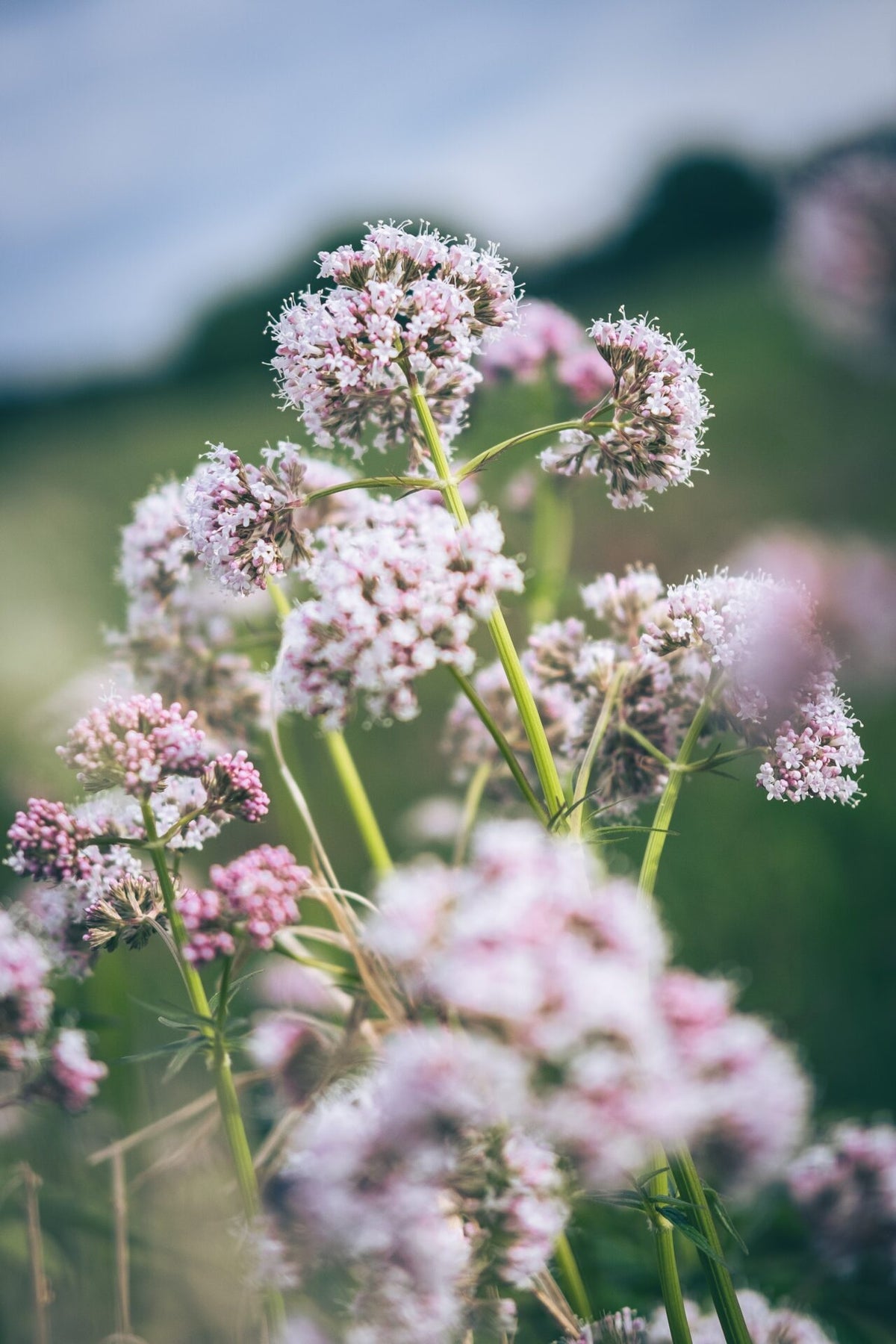
Medicinal plants are one of the most effective remedies for overcoming the effects that anxiety and stress create in our bodies. Below, we present the most complete plants for combating these problems.- Valerian (Valeriana officinalis)
- Passionflower (Passiflora incarnata)
- California Poppy (Eschscholzia californica)
How to consume them
These medicinal plants can be consumed in many different ways. Below, we explain different methods for ingesting these 100% natural remedies.- Infusions:
- Food supplement:
Vitae's Proposal
At Vitae, we recommend CalmTu®, a 100% natural food supplement. It is a combination based on extracts of valerian, passionflower, and California poppy, with a tranquilizing effect that contributes to better management of stress and anxiety. If you have trouble falling asleep, we recommend CalmTu® Night and CalmTu® Retard, based on extracts of valerian, passionflower, California poppy, melatonin, and magnesium, which promotes the onset and improvement of sleep quality.How to reduce stress in less than 1 minute?
Sometimes it seems that stress will never end. And when it disappears for a few minutes, it returns much faster. Reducing stress in less than a minute, therefore, seems to be a fantasy. However, the good news is that it is possible, by following some of the recommendations we give you below:
Tips to reduce stress in less than a minute.
-
Drink a large glass of water.
Hydration is the key. Sometimes, dehydration is a significant source of stress and we are not aware of it. The daily hustle and bustle and the demands of modern life make the day go by and we forget to drink water. Drinking a large glass of water noticeably reduces stress levels.
-
Breathe deeply five times.
Stress naturally causes hyperventilation, which leads to an increase in heart rate and sweating, which generate even more stress. Controlling your breathing is essential for reducing stress levels. If you breathe deeply five times in a row, calmly, your system will respond by decreasing stress.
-
Think of a calming future moment.
If you know that at the end of the week, you will have a good time, or perhaps next week, think only about that moment for thirty seconds. Imagine that moment, think about how much fun you will have, and feel how close it is.
-
Give a hug and a kiss.
Taking someone you love, and telling them so while giving them a kiss will calm you down. It doesn't matter if it's a pet. If so, give it a treat and play with it. This has a surprising calming effect.
-
Take Vitamin C once a day.
Vitamin C is the most powerful anti-stress agent known. If you cannot consume it in the fruits that contain it, use tablets made from it.
-
Listen to music without lyrics.
It does not necessarily have to be classical music. It can be instrumental music. The important thing is that you enjoy the melody without worrying about the message of the lyrics or the good or bad voice of a singer.
Consuming prebiotics, having a good breakfast, doing an act of kindness… there are many ways to reduce stress. Perhaps you know more and can share them with us. In any case, I leave you with one more. To find out what it is, please click here.


