

Published: October 30, 2023
Updated: March 16, 2026 (medical review)
Reading time: 8 minutes
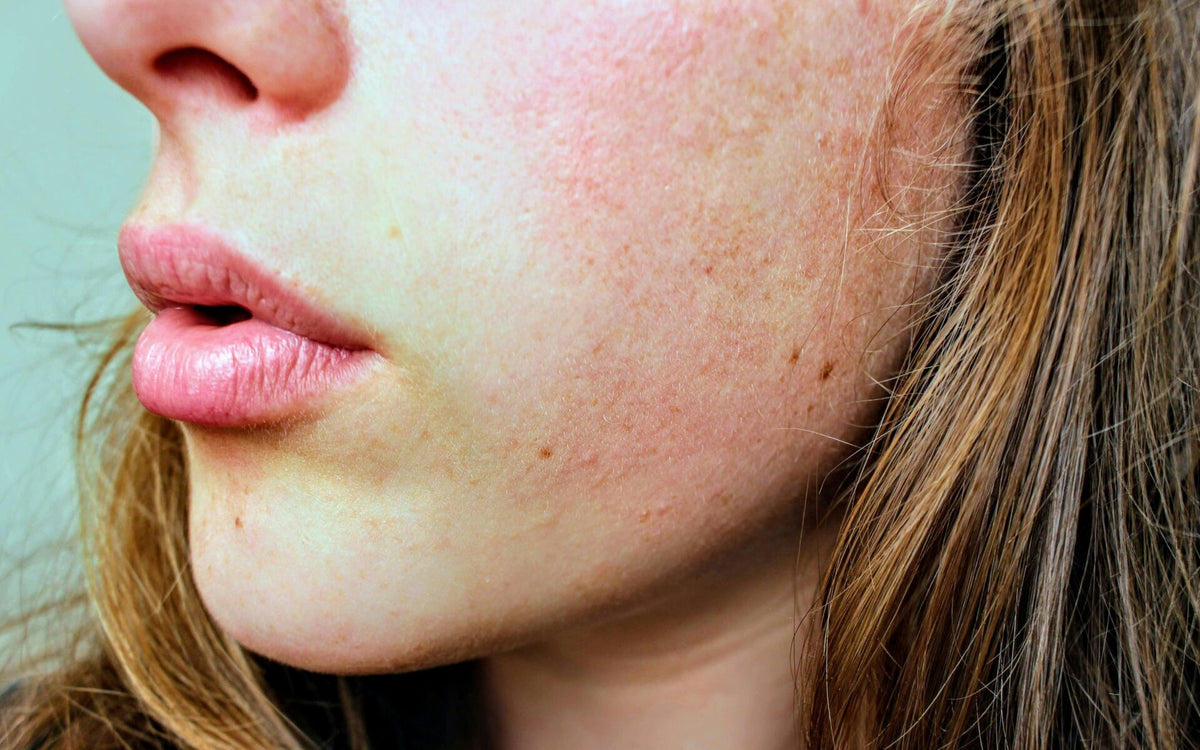
Xerosis cutis is a dermatological condition characterized by persistent skin dryness that occurs when the outermost layer of the epidermis loses some of its capacity to retain water and protective lipids. As a result, the skin can become rough, tight, or flaky, and may even develop small cracks on its surface.
Among the most common symptoms of very dry skin are a feeling of tightness, itching, flaking, and skin roughness. These manifestations usually appear most frequently in areas such as the legs, hands, face, or heels, where the skin may have fewer protective lipids or be more exposed to environmental factors.
Xerosis can be related to various factors, such as cold or dry weather, skin aging, certain hygiene habits, some skin conditions, or hormonal changes, such as those that can occur during menopause.
Care for very dry skin usually focuses on protecting the skin barrier, maintaining adequate hydration, and avoiding factors that promote water loss in the skin, along with care habits that help preserve the natural balance of the skin surface.
Very dry skin is a common situation that many people experience at some point in their lives. In many cases, it appears sporadically, for example, during the cold months of the year. However, when the dryness becomes persistent and is accompanied by discomfort such as itching, flaking, or a constant feeling of tightness, it may be a condition known as xerosis cutis.
Dermatologists use this term to describe an alteration of the skin in which there is a progressive loss of hydration in the most superficial layer of the epidermis, which makes it more difficult for the skin to maintain its protective function against the environment.
Understanding why xerosis appears, what happens in the skin when its hydration is altered, and what factors can promote skin dryness is the first step to properly caring for the skin and improving comfort when the skin is very dry.
In the following sections, we will see when very dry skin may indicate xerosis, what mechanisms are involved in skin hydration, and what measures can help improve skin dryness.
Quick summary of xerosis
- Xerosis cutis is a persistent form of very dry skin caused by the loss of water and lipids in the epidermis.
- It can cause tightness, itching, flaking, or small cracks in the skin.
- It usually appears more frequently on the legs, hands, face, or heels.
- Factors such as dry weather, skin aging, or hormonal changes can promote its onset.
- Dry skin care usually focuses on protecting the skin barrier, hydrating the skin, and avoiding factors that increase skin dehydration.
I have very dry skin: when it might be xerosis
Very dry skin is a fairly common situation that can occur at any time in life. Many people notice that their skin becomes rougher, tighter, or flakier, especially at certain times of the year or after changes in the weather.
In many cases, this dryness is temporary and can be related to environmental factors such as cold, wind, or low humidity. However, when the dryness becomes persistent or causes frequent discomfort, it may be a condition known as xerosis cutis.
Xerosis appears when the skin loses some of its natural ability to retain water and maintain its protective barrier. As a result, the skin surface can become more fragile and less effective at protecting itself against external factors.
Among the most common signs of very dry skin are:
- a feeling of tightness in the skin
- rough or coarse texture
- flaking
- itching or irritation
- small cracks on the surface of the skin
These symptoms can appear on any part of the body, although some areas are usually more affected than others, such as the legs, hands, or heels.
When dryness appears occasionally, it is usually due to environmental factors or daily habits. However, when the skin remains very dry for weeks, causes frequent itching, or persistent flaking, it may be xerosis cutis.
What is xerosis cutis?
Medical definition of xerosis
Xerosis cutis is a dermatological alteration characterized by persistent skin dryness caused by the loss of water and lipids in the outermost layer of the epidermis, which causes roughness, flaking, and a feeling of tightness.
Xerosis cutis is the medical term used to describe very dry or extremely dry skin. It is an alteration of the skin in which the outermost layer of the epidermis loses some of its capacity to retain water and maintain its protective function against the environment.
Under normal conditions, the skin maintains a balance between water, lipids, and structural proteins that allows it to preserve its elasticity and barrier function. This balance occurs mainly in the stratum corneum, the most superficial layer of the skin, which acts as protection against external factors such as cold, wind, or irritating products.
When this balance is altered, the skin loses some of its ability to retain hydration and protect itself against external agents. As a result, different signs associated with skin dryness can appear.
Among the most common symptoms of xerosis are:
- rough or coarse skin
- flaking
- itching or irritation
- feeling of tightness
- small cracks on the surface of the skin
Xerosis can affect anyone, although it is more frequent in certain situations, such as dry climates, skin aging, or hormonal changes. It also usually appears in areas of the body where the skin has fewer sebaceous glands, such as the legs, arms, hands, or face.
Although xerosis is often simply associated with dry skin, it actually involves an alteration of the skin barrier function, which can make the skin more vulnerable to external factors.
Xerosis cutis is one of the most frequent skin alterations in dermatology, especially in older people or in environments with low ambient humidity.
Xerosis and dry skin: are they the same?
Although they are often used as synonyms, dry skin and xerosis do not mean exactly the same thing.
Dry skin can appear occasionally due to factors such as weather, the use of certain products, or changes in skin care habits. In these cases, dryness is usually temporary and improves when these factors are corrected.
Xerosis, on the other hand, refers to more persistent skin dryness that is related to an alteration of the skin barrier and the natural mechanisms that help maintain hydration.
Difference between dry skin and xerosis
|
Condition |
Characteristics |
|
Occasional dry skin |
Mild or temporary dryness caused by environmental factors or skin care habits |
|
Xerosis cutis |
More persistent dryness associated with an alteration of the skin barrier |
In simple terms, xerosis can be considered a more intense or prolonged form of dry skin, in which the skin has more difficulty maintaining its natural hydration.
Understanding this difference helps to better identify when skin dryness is a sporadic issue and when it may indicate a more persistent skin alteration.
What happens to the skin when xerosis appears
To understand why xerosis cutis appears, it is important to understand how the skin normally maintains its hydration. Healthy skin regulates its water balance through various mechanisms that work together to retain water, protect the skin surface, and maintain skin flexibility.
When these mechanisms are altered, the skin loses some of its ability to conserve natural hydration. As a result, symptoms such as persistent dryness, roughness, flaking, or itching can appear.
Three main elements are involved in this process: the skin barrier, epidermal lipids, and natural moisturizing factors.
When these mechanisms are altered, the skin progressively loses its ability to retain water and maintain its protective function, which favors the appearance of the characteristic symptoms of xerosis cutis.
The skin barrier
The outermost layer of the skin, known as the stratum corneum, acts as a protective barrier against the environment. Its main function is to prevent excessive water loss and protect the body against external agents such as cold, wind, irritating products, or microorganisms.
When this barrier is weakened, the skin loses hydration more easily. This can cause the skin surface to become drier, more sensitive, and less effective at protecting itself against external factors.
Epidermal lipids
Within the skin barrier, there are different epidermal lipids that help maintain the skin's structure. Among the most important are:
- ceramides
- cholesterol
- fatty acids
These substances act as a "cement" between skin cells and help reduce transepidermal water loss, that is, the evaporation of water from the skin surface.
When the levels of these lipids decrease, the skin loses some of its ability to maintain hydration and can become drier and more vulnerable.
Natural moisturizing factors
The skin also contains a series of substances known as natural moisturizing factors or NMFs. These molecules have the ability to attract and retain water in the outermost layer of the skin.
Among the main natural moisturizing factors are:
- urea
- amino acids
- mineral salts
- lactate
When these components decrease or are altered, the skin loses its ability to maintain adequate hydration and the characteristic signs of xerosis may appear.
Summary of skin hydration mechanisms
|
Skin element |
Function |
|
Skin barrier |
Protects the skin against external aggressions |
|
Ceramides |
Reinforce the skin barrier structure |
|
Fatty acids |
Help reduce water loss |
|
Natural moisturizing factors |
Attract and retain water in the skin |
When these mechanisms stop functioning correctly, the skin progressively loses hydration and the characteristic symptoms of xerosis cutis appear, such as persistent dryness, flaking, or itching.
Various dermatological studies have shown that the function of the skin barrier and the levels of epidermal lipids directly influence the skin's ability to maintain hydration and protect itself against external aggressions, so it is key to combine good daily habits with specific repairing creams for very dry skin.
Symptoms of xerosis
Xerosis cutis can manifest in different ways depending on the person's age, skin condition, and environmental factors. Although the main symptom is persistent dryness, it is usually accompanied by other discomforts that affect the appearance and comfort of the skin.
Among the most frequent symptoms are:
- a feeling of tightness in the skin
- rough or coarse texture
- visible flaking
- itching or irritation
- redness
- small cracks or superficial fissures
In more intense cases, the skin can become more fragile and develop cracked areas that can even be painful.
Why does dry skin cause itching?
Itching is one of the most common symptoms of very dry skin. When the skin loses hydration, the skin barrier becomes more fragile and the nerve endings in the skin can become more sensitive.
As a result, sensations of the following may appear:
- itching
- irritation
- discomfort upon contact with certain fabrics or products
Scratching repeatedly can worsen dryness and favor the appearance of small skin lesions.
Can xerosis cause cracks in the skin?
Yes. When dryness is intense or prolonged, the skin can develop small fissures or cracks. These usually appear in areas where the skin is subjected to more pressure or friction.
Areas where cracks are most frequent include:
- heels
- hands
- legs
- elbows
These fissures can be uncomfortable and, in some cases, favor skin irritation if not treated properly.
Areas of the body most affected by xerosis
Xerosis cutis can appear anywhere on the body, but some areas are more prone to developing dryness. This is because certain areas of the skin have fewer sebaceous glands, are more exposed to the environment, or suffer greater friction.
The areas where very dry skin appears most frequently are:
- legs
- arms
- hands
- face
- heels
In these areas, the skin can become rougher, flakier, or tighter, especially when environmental conditions favor the loss of hydration.
Areas where very dry skin usually appears
|
Area |
Most common manifestations |
|
Legs |
flaking, roughness, or whitish appearance of the skin |
|
Hands |
intense dryness, cracks, or irritation |
|
Face |
tightness, redness, or increased sensitivity |
|
Heels |
hardened skin and fissures |
Identifying which areas of the body are most affected can help to better adapt skin care and choose the most suitable products for each area.
Why is my skin so dry even though I use cream?
Many people notice that their skin remains very dry even when they use moisturizing creams on a regular basis. This can happen because skin dryness does not always depend solely on external hydration.
In some cases, the skin may have a weakened skin barrier, which causes it to lose water more easily. When this happens, hydration applied to the surface can temporarily alleviate dryness, but it does not always correct the underlying cause, which is why some people turn to OlioVita sea buckthorn oil capsules as support from within.
Factors that can contribute to skin remaining dry include:
- a weakened skin barrier
- very dry environments, such as those caused by heating or air conditioning
- hormonal changes, which can affect the skin's natural lipid production
- loss of epidermal lipids, which help maintain hydration
- inadequate care habits, such as very long showers or the use of harsh products
For this reason, caring for very dry skin often requires a broader approach, combining external hydration with habits that help protect the skin barrier and reduce factors that promote skin dehydration.
Causes of very dry skin or xerosis
Very dry skin, or xerosis, occurs when the skin loses part of its ability to retain water and maintain its protective barrier. This alteration is usually produced by a combination of factors that affect the skin's natural balance and promote the loss of hydration.
In many cases, there is not a single cause, but several factors acting at the same time that weaken the function of the skin barrier. Among the most frequent are environmental conditions, certain skin care habits, and specific internal changes in the body.
Environmental factors
The environment can significantly influence skin hydration. Some environmental conditions promote the evaporation of water from the skin's surface and can contribute to the appearance of very dry skin.
Among the most common environmental factors are:
- cold or dry climate
• exposure to wind
• low ambient humidity
• frequent use of heating or air conditioning
These conditions can increase water loss from the skin, especially during the winter months or in indoor environments with very dry air.
Habits that can dry out the skin
Some daily habits can also contribute to skin dryness when they affect the skin's protective barrier.
Among the most frequent are:
- long showers or showers with very hot water
• use of harsh soaps or cleansers
• excessive exfoliation
• frequent contact with detergents or irritating products
These factors can remove some of the skin's natural lipids and promote the loss of hydration.
Internal factors
In addition to external factors, certain characteristics of the body itself can increase the likelihood of developing very dry skin or xerosis.
These include:
- skin aging
• hormonal changes, such as those that occur during menopause
• some dermatological diseases
• certain medications
• metabolic or systemic disorders
In these situations, the skin may produce fewer protective lipids or lose some of its capacity to maintain hydration, which promotes the appearance of persistent dryness.
When several of these factors combine, the skin can progressively lose its natural hydration, and symptoms such as tightness, flaking, roughness, or itching characteristic of cutaneous xerosis may appear.
Xerosis and menopause
Dry skin is one of the most frequent skin changes during menopause. During this stage of life, hormonal modifications occur that can influence the skin's structure and hydration capacity, and can also promote discomfort such as vaginal dryness during menopause.
One of the most relevant changes is the decrease in estrogen levels, hormones that play an important role in maintaining the skin. When these levels drop, several alterations in the skin can occur.
Among the most common changes are:
- decrease in cutaneous lipids
- lower collagen production
- reduced capacity to retain water
- greater fragility of the skin
As a result, the skin can become:
- thinner
- drier
- more sensitive
- more prone to irritation or itching
For this reason, many women experience greater skin dryness during menopause, especially in areas such as the legs, arms, or face.
Adopting proper care habits and paying attention to skin hydration can help to improve skin comfort during this stage.
What to do if you have very dry skin
The management of cutaneous xerosis is usually based on a combination of skin care habits and measures that help protect the skin barrier. Although each person may have different needs, there are some general recommendations that can help improve the comfort of very dry skin.
Daily skin care
Maintaining an appropriate care routine is one of the most important measures to reduce skin dryness. Some habits that can help include:
- using gentle cleansers that respect the skin barrier
- avoiding very long showers or showers with very hot water
- applying moisturizer after bathing, when the skin is still slightly damp
- drying the skin gently, avoiding rubbing with the towel
These measures help maintain skin hydration and reduce water loss through the skin's surface.
Ingredients used in dry skin care
Some ingredients are frequently used in products intended for the care of dry skin, as they help maintain hydration or strengthen the skin barrier.
|
Ingredient |
Function |
|
Urea |
helps attract and retain water in the skin |
|
Ceramides |
strengthen the skin barrier |
|
Glycerin |
contributes to improving hydration |
|
Fatty acids |
help restore the hydrolipidic film |
Factors to avoid
In addition to daily care, it can also be useful to reduce exposure to factors that promote skin dryness.
Among them:
- very dry environments
- irritating or overly harsh products
- fabrics that can cause friction or irritation
Adopting these habits can help protect the skin barrier and improve skin comfort in people with persistent dryness.
Can dry skin be improved from within?
Skin health does not depend solely on external care. Internal factors such as hydration, diet, and nutritional balance can also influence the state of the skin and its ability to maintain hydration.
The skin is an organ that needs different nutrients to maintain its structure and its barrier function. When the body receives a balanced diet, it is easier for the skin to have the necessary elements to conserve its elasticity and hydration.
- adequate hydration
- the intake of essential nutrients
- the presence of healthy lipids
- the intake of vitamins and antioxidants
A varied and balanced diet can contribute to the maintenance of the skin under normal conditions, as it provides nutrients that participate in different processes related to the structure and functioning of the tissues.
In some situations, certain nutricosmetic formulations for skin, hair, and nails are used as a supplement to the usual diet when seeking to support the general well-being of the skin.
Sea buckthorn and skin care
Sea buckthorn (Hippophae rhamnoides) is a plant used in various products related to skin care due to its content of fatty acids and vitamins, and in some cases, it comes from organic sea buckthorn plantations specifically dedicated to its cultivation.
The oil obtained from its fruits contains various nutrients that participate in different processes related to the maintenance of tissues and the structure of cell membranes.
Among the components present in sea buckthorn oil, the following stand out:
- omega-7
- omega-3
- omega-6
- omega-9
- vitamins A and E
These compounds are part of a balanced diet and are present in various tissues of the body, including the skin and mucous membranes.
Mucous membranes, like the skin, need to maintain an adequate balance of lipids and hydration to conserve their protective function. For this reason, some comprehensive skin care approaches also take into account the intake of certain nutrients related to tissue structure.
Sea buckthorn oil is used in both cosmetic products and nutritional formulations aimed at the well-being of the skin and mucous membranes, such as omega-7 capsules to hydrate skin and mucous membranes.
An example is OlioVita, a food supplement made from sea buckthorn oil, which is used within a broader approach aimed at the general care of the skin and mucous membranes, along with proper skin care habits and a balanced diet; and, topically, products such as hydrating and repairing lip balms can help improve localized dryness.
Xerosis in numbers
Cutaneous xerosis is a frequent condition that can affect people of different ages, although its prevalence increases over the years and in certain health situations.
Various dermatological studies indicate that skin dryness is especially common in older adults and in people with certain medical conditions.
|
Data |
Approximate estimate |
|
Older adults who have dry skin |
up to 50–75% |
|
People with diabetes who may develop xerosis |
up to 70% |
|
Seasonality |
more frequent during winter and dry climates |
The frequency of xerosis can also increase in situations where the skin loses part of its capacity to retain water or produce protective lipids, as occurs with aging or with certain hormonal changes.
Understanding the frequency with which this condition appears helps to position very dry skin as a common skin health problem, which can affect the well-being and comfort of many people.
Xerosis and other skin conditions
Cutaneous xerosis is characterized mainly by persistent skin dryness. However, there are other dermatological conditions that can also cause dry or flaky skin.
Differentiating between these conditions can be important, as some skin diseases require specific medical evaluation.
|
Condition |
Main characteristics |
|
Cutaneous xerosis |
persistent skin dryness associated with an altered skin barrier |
|
Atopic dermatitis |
skin inflammation with intense itching and recurrent flare-ups |
|
Psoriasis |
well-defined, thickened, scaly plaques |
In some cases, xerosis can appear along with other dermatological conditions, as many skin diseases involve dryness or alterations of the skin barrier.
When skin dryness is accompanied by intense inflammation, persistent lesions, or worsens over time, it is highly recommended to consult with a healthcare professional for an appropriate evaluation.
Warning signs in very dry skin
Although xerosis is usually a mild condition related to skin dryness, in some cases very dry skin may be associated with other dermatological or health problems.
It may be advisable to consult a healthcare professional if signs appear such as:
- very intense dryness that does not improve with standard skin care
- deep or painful cracks
- skin bleeding
- intense itching that interferes with sleep
- appearance of very thickened or inflamed plaques
- progressive worsening of dryness
These symptoms may indicate that skin dryness is associated with other dermatological conditions, such as dermatitis or psoriasis, which require specific medical evaluation.
When to see a dermatologist
In many cases, dry skin can improve with daily care measures. However, there are situations in which it may be advisable to consult a dermatologist or another healthcare professional.
It is advisable to seek professional advice if the following appear:
- deep or painful cracks
- bleeding in the skin
- intense or persistent itching
- progressive worsening of dryness
- lesions that do not improve with standard skin care
A specialist can help identify the cause of skin dryness and recommend the most appropriate approach based on each person's characteristics.
Frequently asked questions about xerosis
Does xerosis cause itching?
Yes. Itching is one of the most common symptoms of xerosis cutanea (dry skin). When the skin loses hydration, the skin barrier becomes more fragile and nerve endings can become more sensitive. As a result, sensations of itching, irritation, or discomfort can appear, especially in areas where the skin is driest.
Why does skin flake when it is very dry?
Flaking occurs when the cells in the outermost layer of the skin shed more easily. This happens because the skin loses part of its natural hydration and the function of the skin barrier is altered. Consequently, the surface of the skin can become rough and show small visible scales.
Can very dry skin appear suddenly?
Yes. In many cases, very dry skin can appear suddenly due to factors such as changes in weather, low-humidity environments, the use of irritating products, or changes in skincare habits. It can also be related to hormonal changes or skin aging.
Does dry skin get worse in winter?
Yes. During winter, skin tends to lose more hydration due to the combination of low temperatures, wind, and lower environmental humidity. In addition, the use of indoor heating can contribute to skin dryness.
Why do I have very dry skin on my legs?
The legs are one of the areas where xerosis appears most frequently. This is because the skin in this area has fewer sebaceous glands, which means it produces fewer protective lipids. As a result, the skin can become drier, rougher, or flaky.
Can menopause cause dry skin?
Yes. During menopause, estrogen levels decrease, which can affect the skin's ability to maintain its hydration. As a consequence, many women experience increased skin dryness, loss of elasticity, and greater skin sensitivity.
Is xerosis the same as dermatitis?
They are not the same. Xerosis cutanea refers primarily to persistent skin dryness. Dermatitis, on the other hand, involves an inflammatory process of the skin that is usually accompanied by redness, intense itching, and recurrent flare-ups. Although both conditions can cause dryness, they are not the same.
Can xerosis be prevented?
In many cases, it is possible to reduce the risk of very dry skin by adopting certain skincare habits, such as:
- using gentle cleansers
- avoiding very hot or long showers
- applying moisturizer regularly
- protecting the skin from extreme environmental conditions
These measures can help maintain the skin barrier in better condition and reduce the loss of hydration.
Xerosis cutanea is a frequent condition that can affect daily comfort and the appearance of the skin. Understanding what happens to the skin when dryness appears, what factors can promote it, and what habits help protect the skin barrier is key to keeping the skin in better condition in the long term, and it is part of the philosophy of Vitae's natural supplement and skincare laboratory.
Written by: Laura Fernández
Content reviewed by: Luisa Varela
Technical and R&D Director at Vitae Health Innovation


